What to Expect During Professional Wildlife Removal Service
People seeking wildlife removal typically want safe, humane removal of animals, and local service providers can handle the job efficiently and professionally.
If you’re considering professional wildlife removal services, understanding what to expect during the process can help ease any concerns and ensure a smooth experience. Property owners in the area often turn to local contractors for humane and effective solutions to wildlife intrusions, whether it’s addressing raccoons in the attic, squirrels in the walls, or birds nesting in vents. Knowing the typical steps involved-such as inspection, humane removal, and sealing entry points-can help you prepare for the service and feel confident that experienced professionals are managing the situation with care and expertise.
Continuing with the process, local service providers usually prioritize thoroughness to prevent future visits by wildlife. They may use specialized techniques to safely remove animals and then implement exclusion methods to keep them out. This approach not only resolves the immediate problem but also helps protect your property long-term. Staying informed about what occurs during professional wildlife removal service can make the experience less stressful and highlight the value of working with trusted local experts who understand the unique challenges of wildlife in the area.
- Bat removal - when bats have taken up residence in attics or walls, local contractors use humane exclusion methods to safely remove them.
- Squirrel trapping - if squirrels are nesting in roof eaves or chimneys, service providers typically set traps and seal entry points to prevent re-entry.
- Raccoon eviction - raccoons rummaging through garbage or nesting in crawl spaces prompt local pros to perform targeted removal and habitat modification.
- Bird control - when birds create nests on rooftops or ledges, professionals often employ deterrents and exclusion techniques to prevent future roosting.
- Skunk removal - in cases of skunks under decks or in yards, local contractors handle humane trapping and ensure safe, odor-free removal.

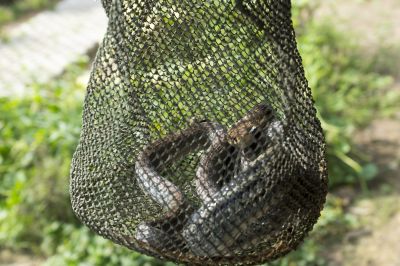
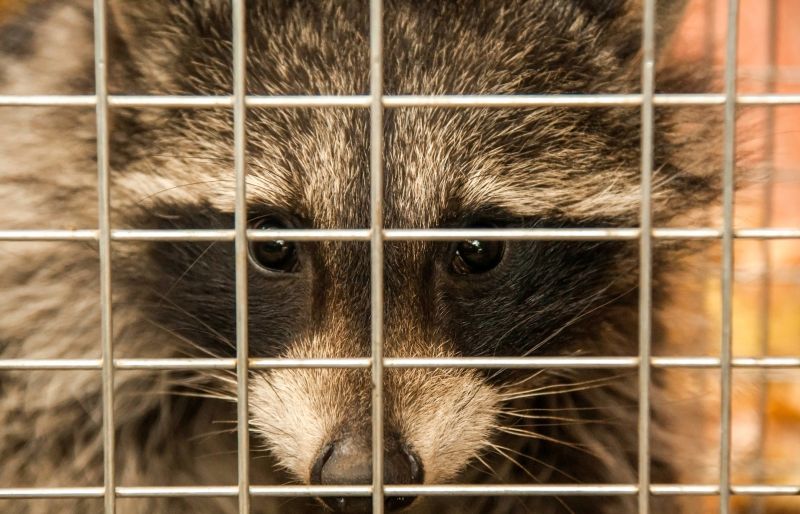
When searching for information about what to expect during professional wildlife removal service, homeowners are often looking to understand the typical process involved when animals like raccoons, squirrels, bats, or birds invade their property. These services are usually sought when wildlife has entered a home, attic, garage, or other structure, causing damage or creating health concerns. People want to know how professionals handle the removal, what methods are used, and how long the process might take. Understanding these details can help homeowners prepare for the work and feel more confident that experienced service providers will manage the situation effectively.
The problems that lead homeowners to seek wildlife removal services often involve animals nesting or roosting in unwanted areas, causing structural damage, or leaving behind droppings and odors. Many plans revolve around safely removing the animals and preventing future invasions. This can include sealing entry points, removing nests or debris, and sometimes addressing the damage caused by the wildlife. Homeowners may also be concerned about the health risks associated with animal waste or the noise and mess that come with an animal presence. Local service providers typically tailor their approach based on the specific animal and property type, ensuring a humane and effective solution.
Properties that commonly come up during wildlife removal projects include residential homes, especially attics and basements, as well as garages, sheds, and barns. Multi-family buildings and commercial properties may also require wildlife removal services, particularly when animals have gained access to common areas or storage spaces. The layout and construction of these properties can influence the removal process, as different structures may require different entry point sealing techniques or access methods. Homeowners should expect that local contractors will assess the property’s unique features to develop a plan that minimizes disruption while ensuring the animals are safely removed.
During a professional wildlife removal service, homeowners can generally expect a thorough inspection of the property to identify how the animals are gaining entry and what damage has occurred. The process often involves humane removal methods, such as trapping or exclusion techniques, designed to safely capture or encourage animals to leave. Once the animals are removed, the service typically includes sealing off entry points and cleaning up droppings or nesting materials. The goal is to restore the property’s safety and prevent future invasions. Homeowners should be prepared for some level of disturbance during these steps but can trust that experienced service providers will handle the job efficiently and with care for both the animals and the property.
Exclusion and sealing projects - local contractors often handle building or repairing entry points to prevent wildlife from re-entering structures, aligning closely with the planning involved in wildlife removal services.
Attic cleanup and restoration - professionals skilled in removing animal debris and sanitizing affected areas are essential for restoring spaces after wildlife intrusion, similar to post-removal procedures.
Pest proofing services - these projects involve securing buildings against animal entry, requiring expertise in identifying vulnerabilities, which complements wildlife removal strategies.
Rodent control and trapping - many local service providers specialize in trapping and managing rodents, sharing techniques used during wildlife removal to ensure effective exclusion.
Nuisance animal removal - wildlife specialists often handle the humane removal of animals causing property damage or safety concerns, sharing core skills with wildlife removal services.
Habitat modification projects - creating or altering outdoor environments to discourage wildlife from settling nearby involves planning similar to that of wildlife exclusion and prevention efforts.
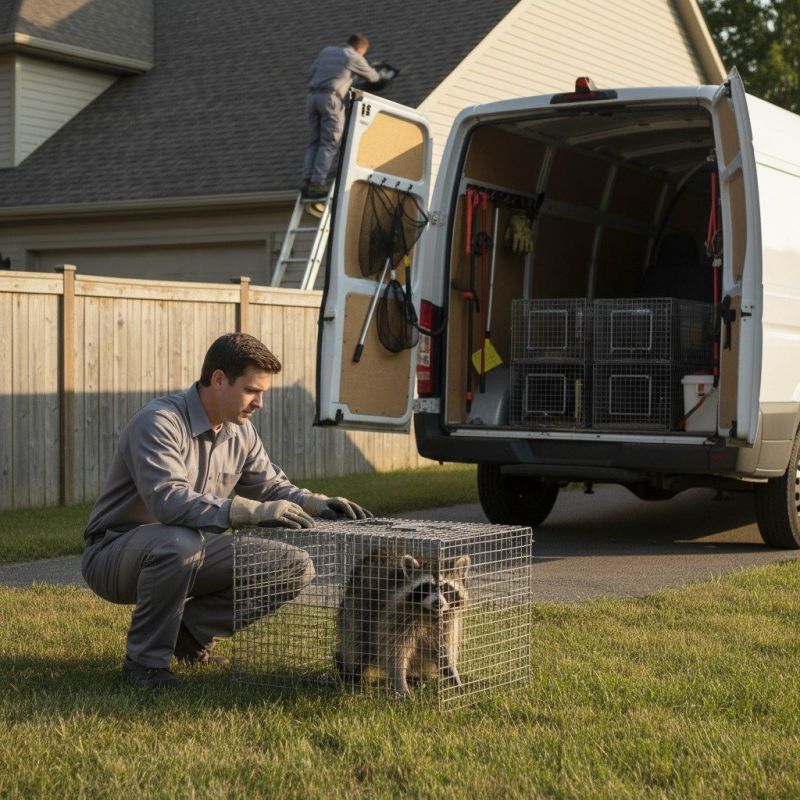
When evaluating wildlife removal services, it is important to consider the experience local contractors have with similar projects. An experienced service provider will understand the typical behaviors of different wildlife species and be familiar with effective removal techniques. This knowledge can help ensure that the process is handled efficiently and that any potential challenges are addressed appropriately. Homeowners should inquire about the types of wildlife the pros have managed in the past and whether they have successfully completed projects similar to their own, providing confidence that the service provider is well-equipped to handle the specific situation.
Clear, written expectations are a key factor when comparing wildlife removal services. Reputable contractors should be able to outline the scope of work, the methods they plan to use, and any follow-up steps in a detailed written estimate or plan. This transparency helps homeowners understand what to anticipate during the process and ensures there are no surprises. Having well-defined expectations also makes it easier to evaluate whether a service provider’s approach aligns with the homeowner’s needs and concerns, fostering a smoother and more informed working relationship.
Good communication and reputable references are essential qualities to seek in a wildlife removal service provider. Service providers who prioritize clear, ongoing communication can help keep homeowners informed about progress and any necessary adjustments. Additionally, checking references or reviews can provide insights into the experiences of previous clients, revealing the contractor’s reliability and professionalism. These factors contribute to a more confident decision-making process, ensuring that the homeowner chooses a service provider capable of managing the project effectively and with transparency throughout the process.
Property owners often search for what to expect during professional wildlife removal service when they are planning practical projects around their homes and businesses. Local pros provide Wildlife Removal services for everyday jobs and straightforward project options.
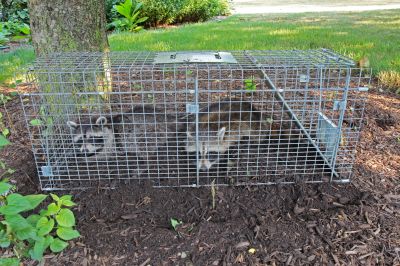
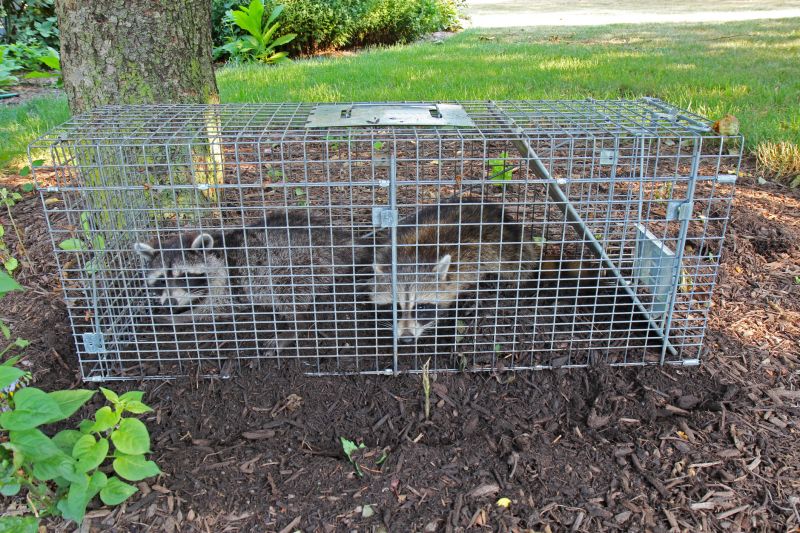
During professional wildlife removal service, property owners can generally expect a thorough assessment of the affected areas. Local contractors typically start by inspecting the property to identify signs of wildlife activity, such as droppings, damage, or entry points. This initial step helps determine the type of animal involved and the best approach for humane removal. Once the assessment is complete, service providers usually implement targeted removal methods, which may include trapping or exclusion techniques, to safely and effectively address the issue.
Throughout the process, property owners might observe the wildlife removal service working discreetly to minimize disruption. After the animals are removed, local contractors often focus on sealing entry points and making recommendations to prevent future visits. Many service providers also offer cleanup services or advice on property maintenance to ensure the area remains secure. Understanding these typical steps can help property owners feel prepared and confident when considering professional wildlife removal services.
What should I expect during professional wildlife removal service? Homeowners can anticipate a thorough inspection of the property to identify entry points and affected areas. Local contractors typically explain their removal methods and outline the steps involved in safely and humanely removing wildlife from the premises.
Will the wildlife removal process be disruptive? The process is generally planned to minimize disruption to daily routines. Professionals aim to work efficiently and discreetly, often scheduling visits at convenient times to reduce inconvenience for residents.
What happens after the wildlife is removed? After removal, local service providers usually focus on sealing entry points and implementing preventative measures. This helps ensure that wildlife does not return and that the property remains secure.
Are there any cleanup or repair steps involved? Yes, many wildlife removal services include cleanup of droppings, nesting materials, and other debris. Some contractors also offer minor repairs to restore damaged areas caused by wildlife activity.
How do local pros ensure the wildlife removal service is humane? Professionals typically use humane techniques for removal, aiming to safely relocate wildlife without causing harm. They follow standard practices to ensure the well-being of the animals during the process.
Inspection Process - Local contractors will assess the property to identify entry points and signs of wildlife activity, helping property owners understand the scope of the removal needed.
Wildlife Exclusion Techniques - Professionals may recommend sealing gaps and installing barriers to prevent future wildlife intrusions, which property owners can implement with guidance.
Safe Removal Methods - Wildlife removal services often involve humane trapping and relocation, ensuring animals are handled ethically during the process.
Post-Removal Cleanup - Service providers can assist with removing debris and disinfecting areas to restore safety and hygiene after wildlife removal is complete.
If you are thinking about what to expect during professional wildlife removal service for a property, this guide is meant to help you understand this topic, the typical project types, and how different options might fit your plans.
When you are ready, you can use the quote form on this page to share a few details about your project. From there, local pros can review the basics and follow up with options that match what you have in mind.