Signs Wildlife Has Moved Into Your Attic, Walls, or Crawl Space
If you notice signs wildlife has moved into your attic, walls, or crawl space, local service providers can identify the problem and safely remove the animals.
Discovering signs that wildlife has moved into your attic, walls, or crawl space can be unsettling, but recognizing these indicators early is essential for protecting your property. Common signs include strange noises at night, unusual odors, droppings, or damage to insulation and structural elements. Homeowners in the area often find that addressing these issues promptly helps prevent further damage and avoids more costly repairs down the line. Since wildlife can sometimes carry pests or cause structural concerns, seeking guidance from experienced local contractors ensures any intrusion is handled safely and effectively.
For property owners noticing these signs, connecting with local wildlife removal specialists can provide peace of mind. These professionals understand the habits of local animals and can assess the situation accurately. They offer humane and effective removal services, along with advice on how to prevent future entries. Exploring your options with trusted local service providers can help restore your home’s safety and comfort while keeping the focus on solutions tailored to your specific needs.
- Attic wildlife intrusion - when signs wildlife has moved into your attic, local contractors can assess entry points and safely remove animals.
- Wall cavity activity - if you notice scratching or droppings in walls, service providers can identify and eliminate the wildlife hiding inside.
- Crawl space disturbances - signs such as noises or damage in crawl spaces indicate wildlife presence, prompting professionals to perform humane removal.
- Unusual odors or droppings - detecting strange smells or droppings in your home can signal wildlife in hidden areas, with local experts providing removal solutions.
- Damage to insulation or wiring - damage caused by animals in your attic or walls can be addressed by local contractors experienced in wildlife exclusion and cleanup.
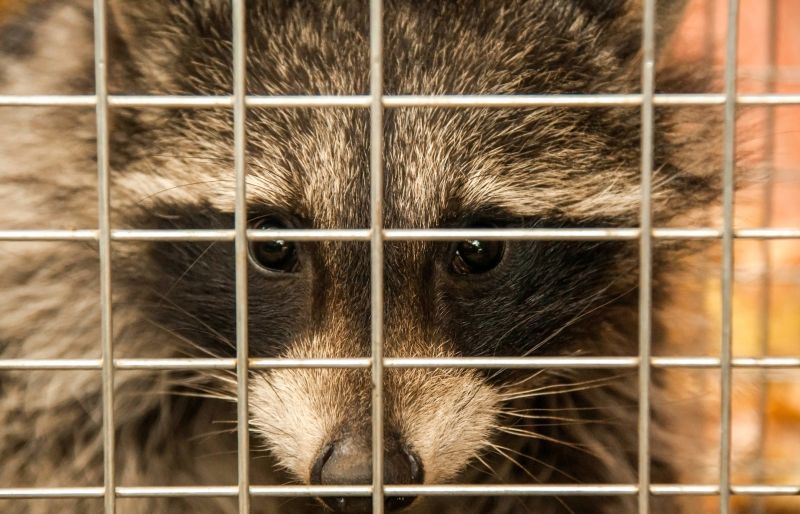
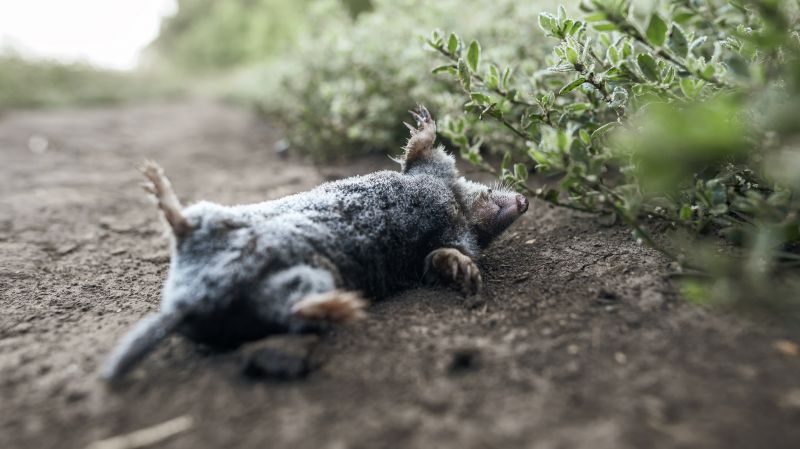
When homeowners notice unusual activity or damage in hidden areas of their property, they often search for signs wildlife has moved into your attic, walls, or crawl space. This topic typically arises when residents hear scratching noises, find droppings, or detect strange odors that seem to originate from these concealed spaces. Such signs can indicate the presence of animals like raccoons, squirrels, bats, or rats, which often seek out warm, sheltered environments to nest and raise their young. Recognizing these early warning signs is important because wildlife can cause structural damage, create unsanitary conditions, and sometimes pose health risks. Local wildlife removal service providers are equipped to assess these situations, identify the animals involved, and recommend appropriate removal and exclusion methods to restore safety and peace of mind.
This issue is often linked to property problems that need prompt attention. When animals move into attic spaces, they may chew through wiring, insulation, and wood framing, leading to costly repairs and potential fire hazards. In walls and crawl spaces, their presence can result in foul odors, staining, and the spread of parasites or diseases. Homeowners may also plan renovations or repairs and discover that wildlife has already established a presence, complicating the project. Addressing these issues early with the help of local contractors who specialize in wildlife removal ensures that the animals are safely removed and that any damage is properly repaired. These professionals can also help prevent future intrusions by sealing entry points and installing barriers to keep wildlife out.
The types of properties affected by wildlife in hidden spaces can vary widely. Residential homes, especially older houses with gaps or weak points in the roof, siding, or foundation, are common targets. Attics are prime nesting spots for animals like raccoons, squirrels, and bats, while walls and crawl spaces often attract rats and mice. Commercial buildings, barns, and sheds can also become habitats for wildlife, especially if they have accessible openings or unused spaces. In many cases, properties located near wooded areas, water sources, or with abundant vegetation are more vulnerable to wildlife intrusion. Understanding the property type and its vulnerabilities helps local service providers develop targeted removal and exclusion strategies, ensuring that the animals are safely removed and the property is protected from future visits.
Recognizing the signs that wildlife has moved into your attic, walls, or crawl space is essential for addressing the problem effectively. Homeowners should look for physical evidence such as chewed wiring, torn insulation, or nesting materials. Audible clues like scratching, scurrying, or squeaking can also indicate active wildlife. Additionally, droppings, urine stains, or foul odors are common indicators of an animal’s presence. Once these signs are detected, consulting with local wildlife removal professionals is the best step toward resolving the issue. These experts can perform thorough inspections, safely remove the animals, and implement exclusion measures to prevent re-entry. Properly managing wildlife intrusions not only protects the property but also helps maintain a safe and healthy living environment.
Attic insulation installation - professionals in insulation can help identify and seal entry points where wildlife may have entered, preventing further intrusion.
Home sealing and weatherproofing - local contractors can perform comprehensive sealing projects to block wildlife access points in walls and crawl spaces.
Pest-proofing and exclusion services - these services focus on removing wildlife and installing barriers to keep animals out of attics, walls, and crawl spaces.
Structural repairs and damage restoration - experts can repair damage caused by wildlife activity, restoring the integrity of walls, ceilings, and floors.
Rodent and wildlife trapping - specialists use trapping techniques to safely remove animals that have moved into your home’s hidden spaces.
Vent and duct sealing services - these services help close off entry points around vents and ducts where wildlife may have gained access.
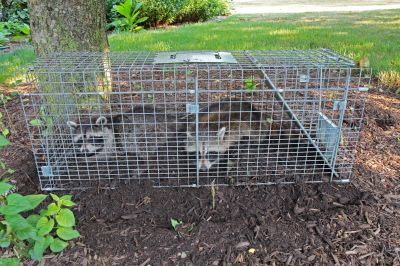
When evaluating wildlife removal services, it is important to consider the experience of local contractors with similar projects. Homeowners should look for service providers who have a proven track record of handling wildlife in attics, walls, or crawl spaces, as this indicates familiarity with the unique challenges these environments present. Experienced professionals are more likely to understand the signs wildlife has moved into these areas and know how to address the situation effectively, reducing the risk of recurring issues or property damage.
Clear written expectations are essential when selecting a wildlife removal service. Homeowners should seek providers who can articulate the scope of work, the methods they plan to use, and any necessary follow-up steps. Having this information in writing helps ensure everyone is on the same page and minimizes misunderstandings. It also provides a reference point for what services are included, making it easier to assess whether the provider’s approach aligns with the homeowner’s needs.
Reputable references and good communication are key factors in choosing a reliable service provider. Homeowners are encouraged to ask for references or reviews from previous clients who experienced similar wildlife issues. Reliable contractors will be open to sharing these references and should demonstrate clear, prompt communication throughout the process. Good communication ensures that homeowners are kept informed about the progress, understand the work being performed, and can ask questions or express concerns as needed, leading to a smoother and more transparent experience.
Property owners often search for signs wildlife has moved into your attic, walls, or crawl space when they are planning practical projects around their homes and businesses. Local pros provide Wildlife Removal services for everyday jobs and straightforward project options.
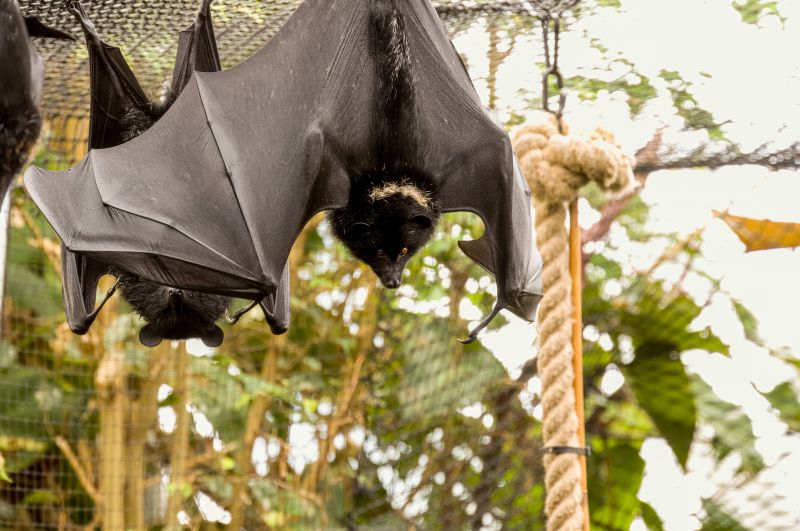
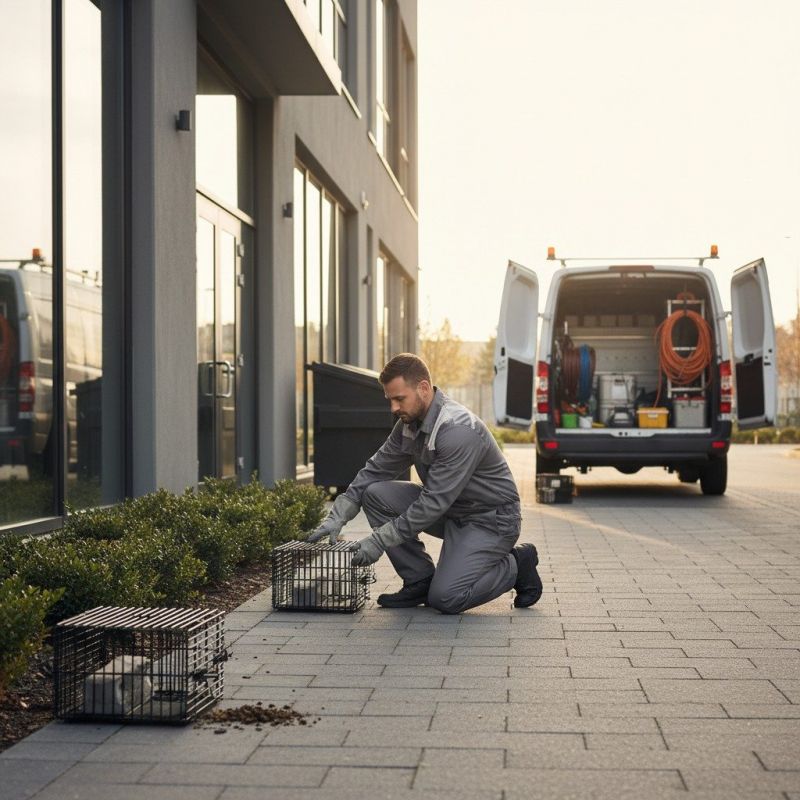
Recognizing signs wildlife has moved into your attic, walls, or crawl space can be essential for maintaining a safe and comfortable home environment. Common indicators include unusual noises such as scratching, scurrying, or squeaking sounds, especially during evening or nighttime hours. You might also notice droppings, nesting materials, or damage to insulation and structural components. Property owners often search for guidance on these signs to determine if wildlife has taken up residence and to understand when professional removal services are needed to address the situation effectively.
In many cases, visible entry points like holes, gaps, or loose vents can signal that animals have gained access to hidden spaces within a property. Foul odors, especially musty or musky smells, may also point to the presence of wildlife in hard-to-reach areas. When these signs are observed, it’s common for property owners to consider reaching out to local contractors who specialize in wildlife removal. These service providers can assess the situation, safely remove the animals, and help prevent future intrusions, ensuring the home remains secure and free of unwanted visitors.
What are common signs wildlife has moved into your attic, walls, or crawl space? Unusual noises, such as scratching or scurrying sounds, are typical indicators. You might also notice droppings, chewed insulation, or foul odors suggesting animal presence.
How can I tell if animals are nesting inside my home? Visible nesting materials like leaves or shredded paper, and signs of damage to wiring or insulation, often point to wildlife establishing nests in hidden areas.
Are there specific sounds that indicate wildlife activity? Yes, sounds like squeaking, scratching, or thumping, especially at night, can signal animals such as rodents or raccoons inside walls or attics.
What physical signs might suggest wildlife has entered my home? Look for holes or gaps in the exterior or interior walls, as well as signs of animal entry points around vents, chimneys, or rooflines.
How do local service providers help with wildlife that has moved into a home? They assess the extent of the intrusion, safely remove the animals, and seal entry points to prevent future invasions, ensuring the property is secure from wildlife activity.
Identify unusual noises - listening for scratching, scurrying, or thumping sounds can help detect wildlife activity in hidden spaces.
Inspect for droppings and debris - noticing droppings or nesting materials near entry points indicates recent wildlife presence.
Check for damage or entry points - gaps, holes, or chewed areas around the exterior of the home suggest where animals may have entered.
Monitor for odors or signs of disturbance - persistent odors or chewed insulation can signal wildlife has moved into your attic, walls, or crawl space.
If you are thinking about signs wildlife has moved into your attic, walls, or crawl space for a property, this guide is meant to help you understand this topic, the typical project types, and how different options might fit your plans.
When you are ready, you can use the quote form on this page to share a few details about your project. From there, local pros can review the basics and follow up with options that match what you have in mind.