Seasonal Wildlife Issues Homeowners Should Watch For
Homeowners seeking seasonal wildlife removal aim to prevent damage and safety issues caused by animals, with local service providers ready to handle these common seasonal wildlife issues.
Homeowners in the area who are attentive to seasonal wildlife issues should stay informed about the common challenges that each time of year can bring. As seasons change, different types of wildlife become more active around homes, potentially leading to issues such as unwanted pests, property damage, or health concerns. Recognizing these patterns can help property owners take proactive steps to protect their homes and maintain a safe, comfortable living environment. Exploring this topic in detail can reveal practical ways to identify early signs of wildlife activity and understand when professional help from local contractors might be needed to handle removal or prevention effectively.
Understanding the seasonal wildlife issues homeowners should watch for can make a significant difference in avoiding larger problems down the line. Local service providers who specialize in wildlife removal and prevention are equipped to address these concerns, ensuring that homes remain secure and free from unwanted animal intrusions. By learning about the typical challenges associated with each season, property owners can better determine when to seek assistance from trusted local contractors capable of managing wildlife issues responsibly and efficiently. Keep reading to discover helpful insights and practical advice that can support a proactive approach to seasonal wildlife management.
- Bird nesting season - homeowners may notice increased bird activity near vents and eaves, prompting local contractors to remove nests and seal entry points.
- Fall migration - as many species migrate, local service providers can help prevent animals from taking shelter in attics or wall cavities.
- Winter wildlife buildup - during colder months, wildlife seeking warmth may invade homes, with pros installing barriers to keep animals out.
- Springtime wildlife awakening - as animals emerge from hibernation or nesting, local experts can assist with humane removal and exclusion methods.
- Summer pest activity - increased insect and small mammal activity can lead to infestations, with local contractors providing removal and prevention services.
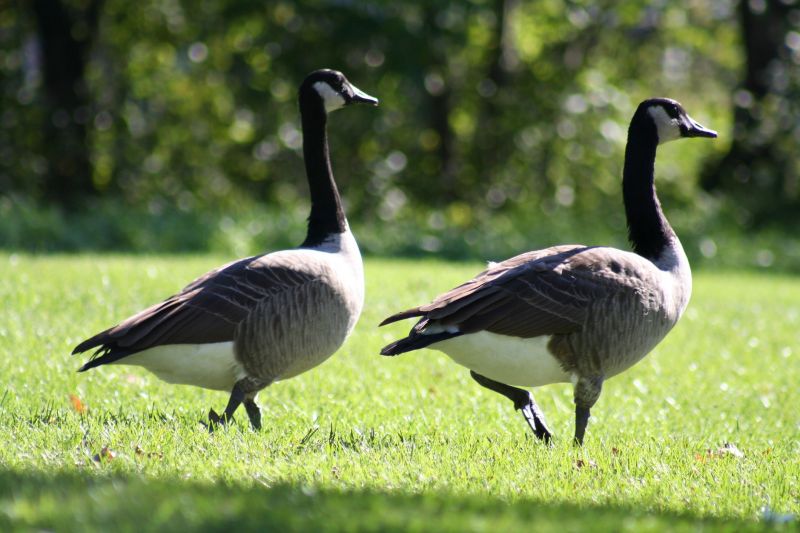
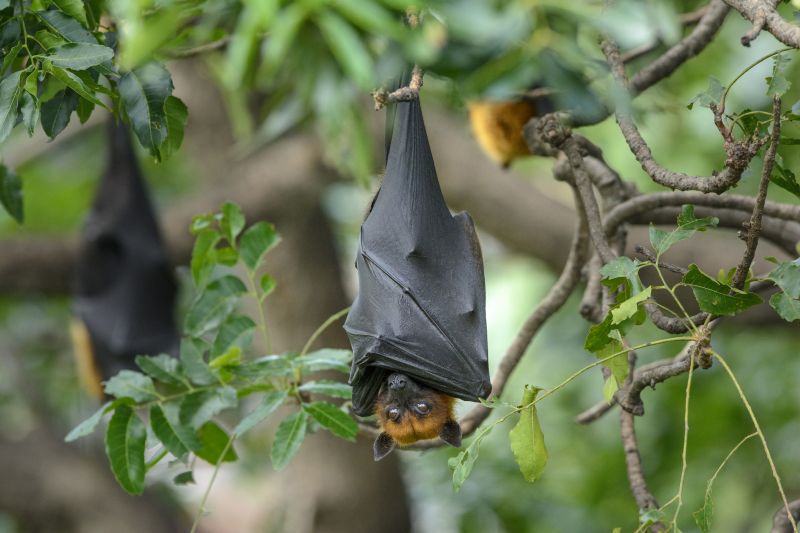
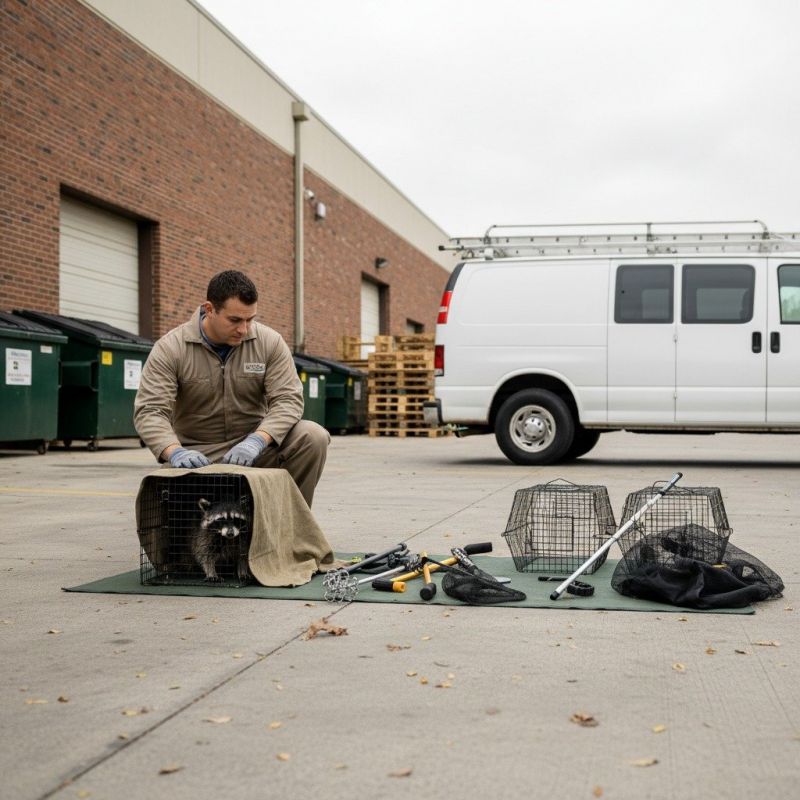
Seasonal wildlife issues homeowners should watch for often relate to the natural behaviors and migration patterns of local animals throughout the year. During specific seasons, certain species are more active or tend to seek shelter in residential properties, creating potential problems. For example, in spring and early summer, animals such as raccoons, squirrels, and birds may start nesting in attics, chimneys, or wall cavities. In fall, animals often become more active in preparing for winter, leading to increased movement around properties and the possibility of animals seeking warmth inside homes. Recognizing these seasonal patterns helps homeowners anticipate when wildlife-related issues are most likely to arise and plan appropriate preventative or corrective actions.
The problems connected to seasonal wildlife issues typically involve property damage, health concerns, and nuisance situations. Animals nesting inside walls or attics can cause structural damage, chew wiring, and create fire hazards. Droppings, nesting materials, and shed fur can contribute to unsanitary conditions and allergen buildup. Additionally, wildlife can carry parasites or diseases that pose risks to household members. Homeowners often consider plans to exclude animals from their properties, remove existing nuisances, or repair damages caused by wildlife activity. Engaging with local service providers who specialize in wildlife removal and exclusion can help address these issues effectively, ensuring that animals are safely and humanely relocated while protecting the home.
Properties that typically experience seasonal wildlife issues include single-family homes, especially those with accessible attics, chimneys, or crawl spaces. Homes with mature trees close to the structure or with gaps in the exterior siding, roof, or foundation are more vulnerable to animal intrusion. Rural or semi-rural properties may face additional challenges from larger wildlife such as foxes, raccoons, or opossums. Even urban properties are not exempt, as birds and small mammals can find ways into buildings through vents, gaps, or poorly sealed openings. Recognizing the type of property and its vulnerabilities helps homeowners understand where wildlife problems are most likely to occur and how local contractors can assist in implementing effective exclusion and removal strategies.
Understanding seasonal wildlife issues homeowners should watch for connects directly to ongoing property maintenance and wildlife management plans. Homeowners may need to prepare for seasonal inspections, especially before and after peak activity periods, to identify potential entry points or signs of animal presence. Local service providers offer expertise in assessing property vulnerabilities, performing humane removals, and installing barriers to prevent future problems. By staying vigilant during key seasons, homeowners can reduce the likelihood of extensive damage or health risks and ensure their property remains protected year-round. Connecting with experienced wildlife removal professionals provides the support needed to handle these seasonal challenges efficiently and responsibly.
Gutter Cleaning and Maintenance - Proper gutter cleaning helps prevent wildlife from nesting in roof eaves and downspouts, a common issue during seasonal wildlife activity periods. Local contractors offering gutter services can help homeowners reduce these risks.
Attic Insulation and Ventilation - Ensuring attic spaces are well-ventilated and insulated can deter animals from nesting inside the home during seasonal wildlife issues homeowners should watch for. Local service providers can assess and improve attic conditions.
Roof Repair and Inspection - Regular roof inspections can identify vulnerabilities that allow wildlife to enter, especially during peak seasons for animals seeking shelter. Local pros can perform necessary repairs to prevent infestations.
Bird and Bat Exclusion Services - Installing exclusion devices prevents birds and bats from nesting in eaves and attics, a common concern during seasonal wildlife issues homeowners should watch for. Local contractors can handle these installations effectively.
Tree Trimming and Landscaping - Properly maintained trees and shrubs reduce the likelihood of animals accessing roofs and walls, addressing seasonal wildlife issues homeowners should watch for. Local arborists and landscapers can provide appropriate trimming services.
Pest and Wildlife Proofing - Comprehensive proofing services seal entry points around the home to keep out wildlife during vulnerable seasons. Local service providers can help secure homes against seasonal wildlife issues homeowners should watch for.
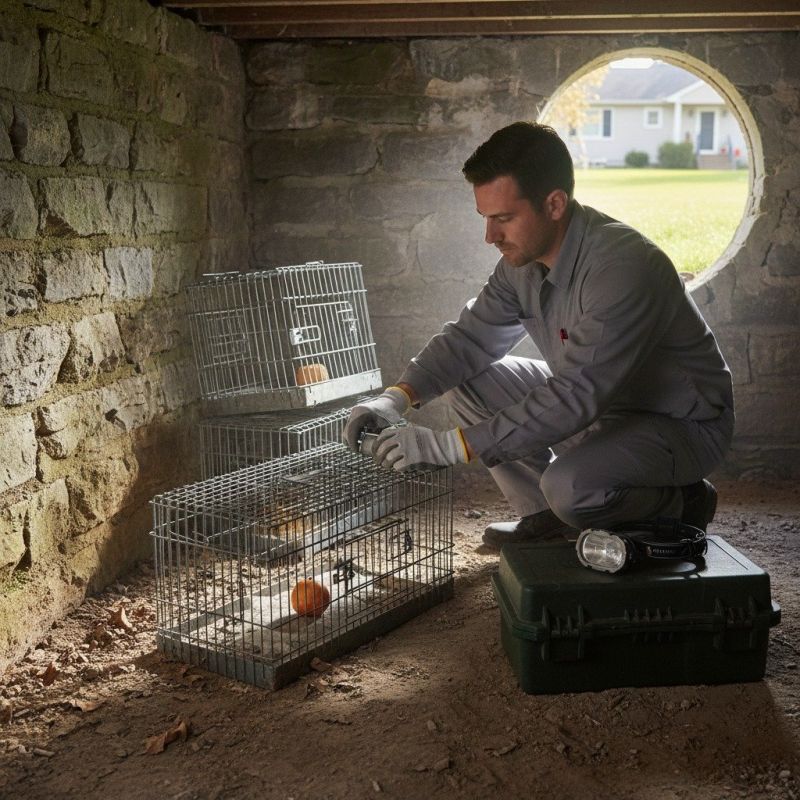
When comparing local contractors for seasonal wildlife removal, it is important to consider their experience with similar projects. Homeowners should seek service providers who have a proven track record in handling wildlife issues that are common during specific seasons, such as raccoon or squirrel intrusions in the fall or bird nesting in the spring. An experienced contractor will be familiar with the behaviors and habitats of local wildlife, which can help ensure the removal process is effective and minimizes the chance of recurring problems. Gathering information on their past projects or asking for examples of previous work can provide insight into their familiarity with seasonal wildlife issues relevant to the area.
Clear written expectations are essential when evaluating service providers. Homeowners should look for contractors who provide detailed descriptions of the scope of work, including inspection procedures, removal methods, and any follow-up or preventative measures. Having a transparent outline of what the service entails can help prevent misunderstandings and ensure that both parties are aligned on the work to be performed. Reputable local contractors will typically be willing to share this information upfront, making it easier to compare options and choose a provider that meets specific needs related to seasonal wildlife issues.
Good communication and reputable references are key factors when selecting local service providers for wildlife removal. Homeowners should seek out contractors who are responsive to inquiries and willing to answer questions about their experience, methods, and policies. Additionally, requesting references or reviews from previous clients can offer valuable insights into the contractor’s reliability and quality of work. Effective communication helps ensure that concerns are addressed promptly and that expectations are clearly understood, which can lead to a smoother process in managing seasonal wildlife issues and maintaining a safe, wildlife-free home environment.
Property owners often search for seasonal wildlife issues homeowners should watch for when they are planning practical projects around their homes and businesses. Local pros provide Seasonal Wildlife Removal services for everyday jobs and straightforward project options.
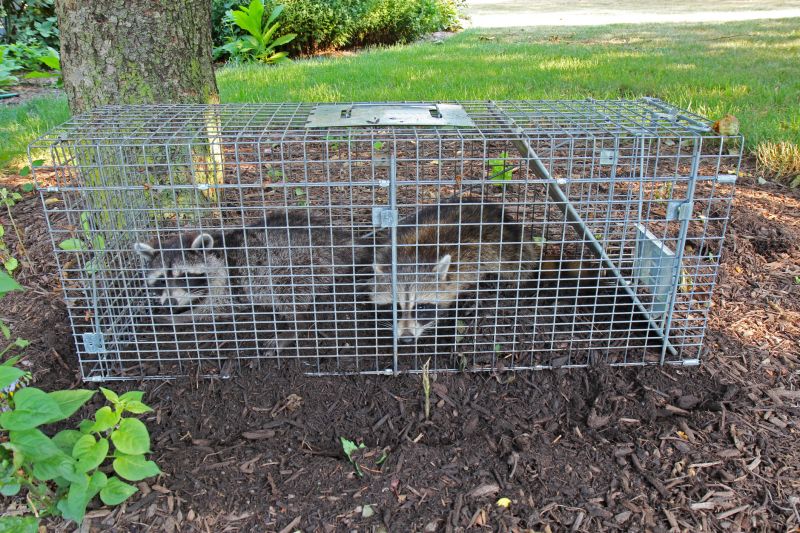
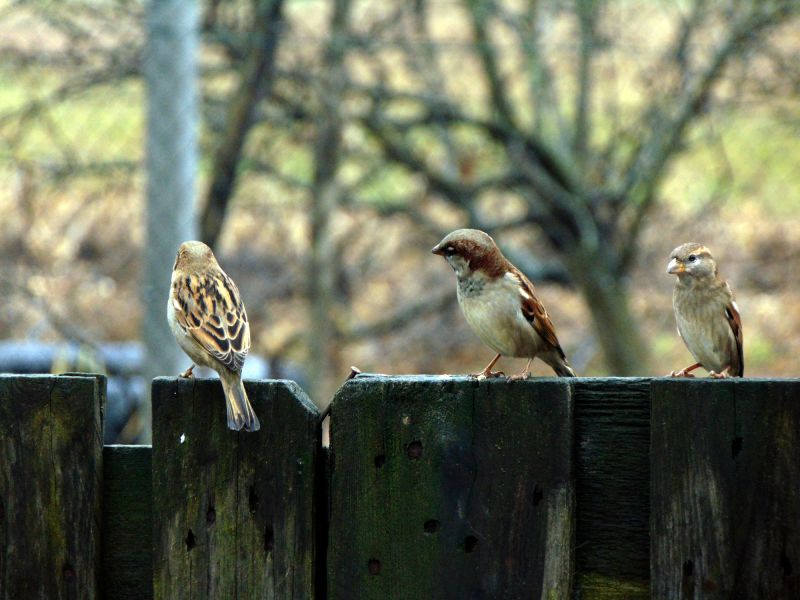
Seasonal wildlife issues homeowners should watch for often become more apparent during specific times of the year. For example, in the spring and summer months, increased activity from birds, squirrels, and raccoons can lead to nesting in attic spaces or around the exterior of a home. This can sometimes cause property damage or create opportunities for pests to enter living areas. Homeowners noticing unusual noises, droppings, or signs of nesting are encouraged to consider reaching out to local contractors who specialize in wildlife removal, ensuring that these animals are safely and effectively removed before they cause further issues.
In the fall and winter, certain wildlife species such as bats or rodents may seek shelter in warm indoor spaces, often finding their way through small openings or damaged areas of the home’s exterior. Recognizing early signs like chewed wiring, gnawed insulation, or small droppings can help prevent larger problems later on. Engaging with experienced service providers can help address these seasonal wildlife issues promptly, providing solutions that help keep homes secure and animal populations managed humanely.
What are common signs of seasonal wildlife issues homeowners should watch for? Homeowners should look for signs like droppings, chewed wires or insulation, unusual noises, and damage to vents or siding, which can indicate wildlife presence and potential problems.
Why is it important to address wildlife issues during specific seasons? Different wildlife species are active during certain seasons, increasing the risk of infestations or damage, making timely removal and prevention essential to avoid costly repairs.
How can local contractors help with seasonal wildlife issues homeowners should watch for? Local service providers can identify early signs of wildlife activity, safely remove animals, and implement exclusion measures to prevent future issues.
What types of wildlife are typically involved in seasonal issues homeowners should watch for? Common animals include raccoons, squirrels, bats, birds, and rodents, which often seek shelter or food sources during specific times of the year.
What preventative steps can homeowners take to reduce seasonal wildlife issues? Homeowners can seal entry points, remove attractants like food or debris, and schedule regular inspections with local pros to address potential problems early.
Inspect chimneys and vents - homeowners can schedule regular inspections with local contractors to ensure these openings are sealed, preventing wildlife from nesting inside.
Seal entry points around the property - applying weatherstripping and mesh screens with the help of local service providers can block gaps that attract animals.
Remove attractants like food and debris - managing trash and compost areas with guidance from local pros reduces the likelihood of wildlife seeking shelter near the home.
Install barriers around gardens and trees - enlisting local contractors to set up fencing or protective netting can keep animals from damaging plants during seasonal activity peaks.
If you are thinking about seasonal wildlife issues homeowners should watch for for a property, this guide is meant to help you understand this topic, the typical project types, and how different options might fit your plans.
When you are ready, you can use the quote form on this page to share a few details about your project. From there, local pros can review the basics and follow up with options that match what you have in mind.